California lawmakers pass climate deal extending cap-and-trade, permitting more drilling
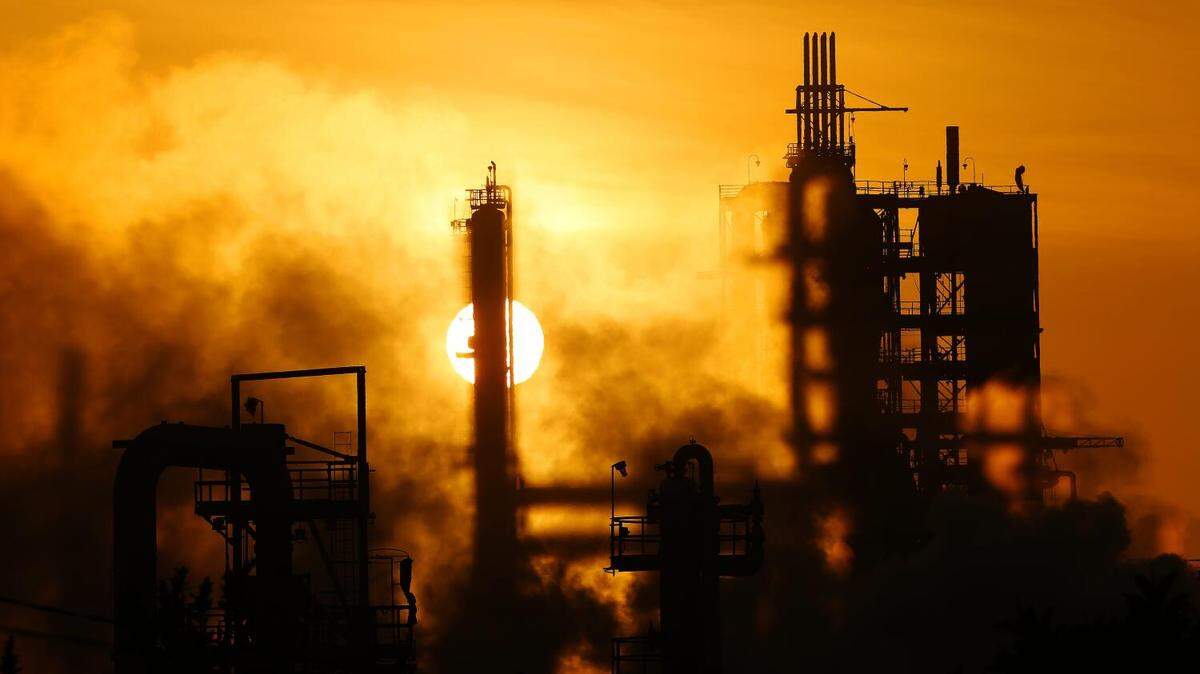
Democratic lawmakers in California approved a sweeping slate of climate and environmental bills Saturday – a package that would double-down on climate commitments like cap-and-trade and high speed rail, while also permitting additional oil drilling in the state.
The measures were the result of months of discussions and a last-minute sprint that forced lawmakers to come back over the weekend, past what was supposed to be a Friday deadline for the legislature.
The bills center around cap-and-trade, California’s tentpole environmental regulation system, which places a limit on emissions and allows businesses to buy and sell permits to emit carbon dioxide. Among other things, the sale of those permits funds EV rebates, affordable housing and transit projects like the beleaguered high speed rail.
The two cap-and-trade proposals lawmakers approved Saturday, Senate Bill 840 and Assembly Bill 1207, would extend the program for 15 years and only slightly tweak the current system. The “straight” reauthorization was a priority of Gov. Gavin Newsom and business groups, but frustrated some environmental organizations and negotiators in the Senate, who argued there was room for improvement in the program.
On Friday, the night before the Legislature’s vote, Newsom cited support from dozens of environmental justice groups, climate champions, former Gov. Jerry Brown, organized labor and business industry for the reauthorization deal.
With a few exceptions, lawmakers seemed willing to approve the package during the Saturday session, following work that continued until 3 a.m. the night before.
Some of the limited debate centered around Senate Bill 237, which opens parts of the Central Valley up to more drilling to stabilize gas prices, a win for the fossil fuel industry Democrats have long railed against.
“This bill is not about stabilizing gas prices. It is a regulatory giveaway to Big Oil,” said Asm. Alex Lee, D-San Jose. “The thing we need to focus on is a controlled, managed phase-out of fossil fuels.”
Al Muratsuchi, a Torrance-area Democrat with three refineries in his district, reluctantly supported the measure, calling it part of the “rocky road” to move away from fossil fuels. “I don’t think we can meet our climate goals without, you know, keeping the public support in terms of this managed transition,” he said.
A tight timeline for cap-and-trade
In February, Gov. Gavin Newsom said renewing cap-and-trade was not a top priority for him, but that he was “open to a conversation.”
“Do I feel it’s absolutely necessary this year? My current position is, it’s not absolutely necessary,” he told reporters in Los Angeles.
That was before President Donald Trump began targeting the program. In April, he issued an executive order targeting state environmental regulatory programs like California’s, calling it a “threat to national security.”
In light of Trump’s threat, Newsom, Assembly Speaker Robert Rivas and Senate President pro Tem Mike McGuire said the legislature would work to extend cap-and-trade in 2025.
Newsom defeated a previous attempt by Trump in 2020 to water down the cap-and-trade program. The governor then went on to target oil companies, blaming them for high gas prices, and banned fracking, with the intent of phasing out all in-state extraction by 2045.
He’s since had to walk some of those policies back as Trump returned to the White House and capitalized on discontent about high gas prices and the affordability crisis. State Republicans have also continued to beat the drum about high gas prices, pulling some more moderate Democrats to their side.
Although the cap-and-trade reauthorization and increased permission for oil drilling were the headliners, the climate package also included policy that has been in the mix since the beginning of the year.
For instance, the governor is expected to sign Senate Bill 254, a jam-packed bill that tackles numerous issues that authors say are driving up California utility prices, streamlines the permitting of clean energy projects, and buoys an insurance fund for wildfire survivors. That bill passed the Assembly with unanimous support.
Other elements allow California utilities to join and create a Western regional energy market, and strengthen monitoring of air pollution in vulnerable communities.
Assembly Speaker Robert Rivas congratulated lawmakers after the legislation passed, commending them for advancing “the most significant energy package in years.”
“We have never seen a White House so eager to take our tax dollars while attacking our people,” he said. “But California, we do not back down, and this Assembly did not back down. “